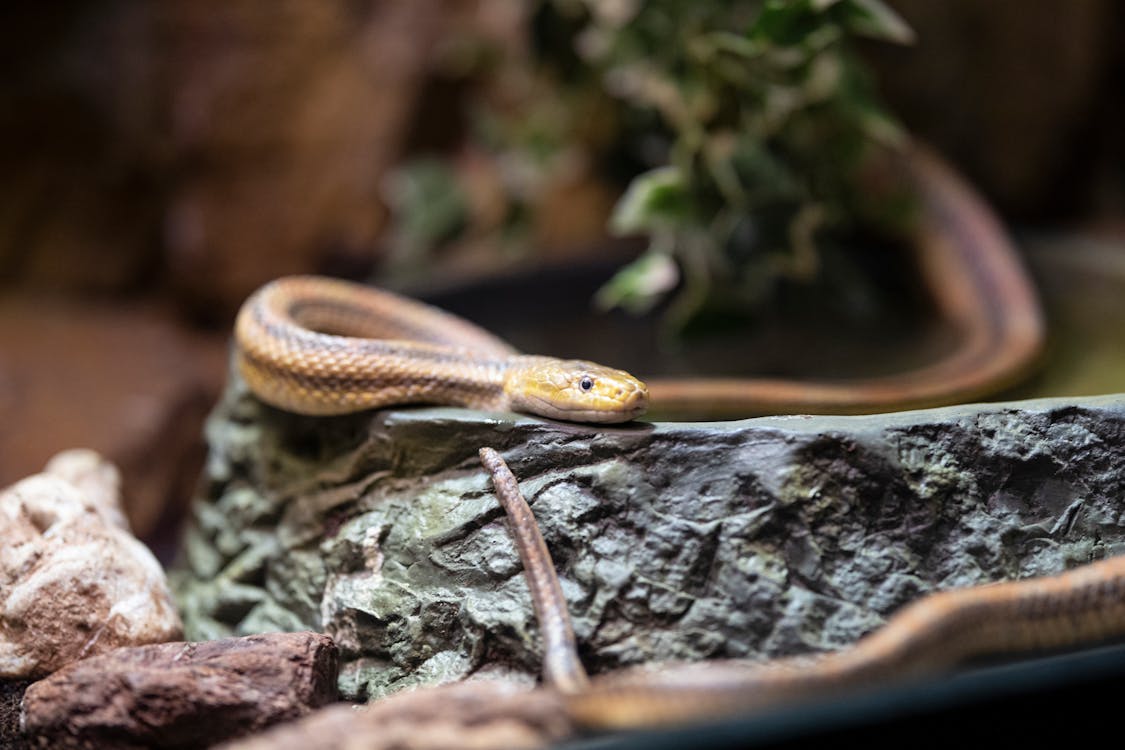
Copperhead and Venomous Snake Removal Services
Finding a copperhead coiled on your back porch or a timber rattlesnake tucked against your foundation is the kind of discovery that stops you cold. The instinct to grab a shovel is understandable — but it’s also how most snakebite injuries happen. Venomous snake removal requires specific training, proper equipment, and a calm hand that comes from doing this hundreds of times.
K9 H2O handles copperhead, rattlesnake, cottonmouth, and coral snake removals using humane capture and relocation methods. We don’t kill venomous snakes. They play a critical role in controlling rodent populations and maintaining ecosystem balance. Our job is to remove them from places where they’re a danger to people and pets, and relocate them to suitable wild habitat.
Identifying Venomous Snakes on Your Property
Misidentification is one of the biggest problems in snake removal. Harmless water snakes get killed because they “look like cottonmouths.” Non-venomous milk snakes die because their banding pattern vaguely resembles a coral snake. Our technicians are trained herpetologists who can positively identify any species found on your property — and that identification determines whether the situation requires emergency-level response or a standard removal appointment.
The four groups of venomous snakes in the United States — copperheads, rattlesnakes, cottonmouths, and coral snakes — each have distinct behaviors, preferred habitats, and seasonal activity patterns. Copperheads, for example, are ambush predators that tend to freeze rather than flee, which is why people step on them more often than any other venomous species.
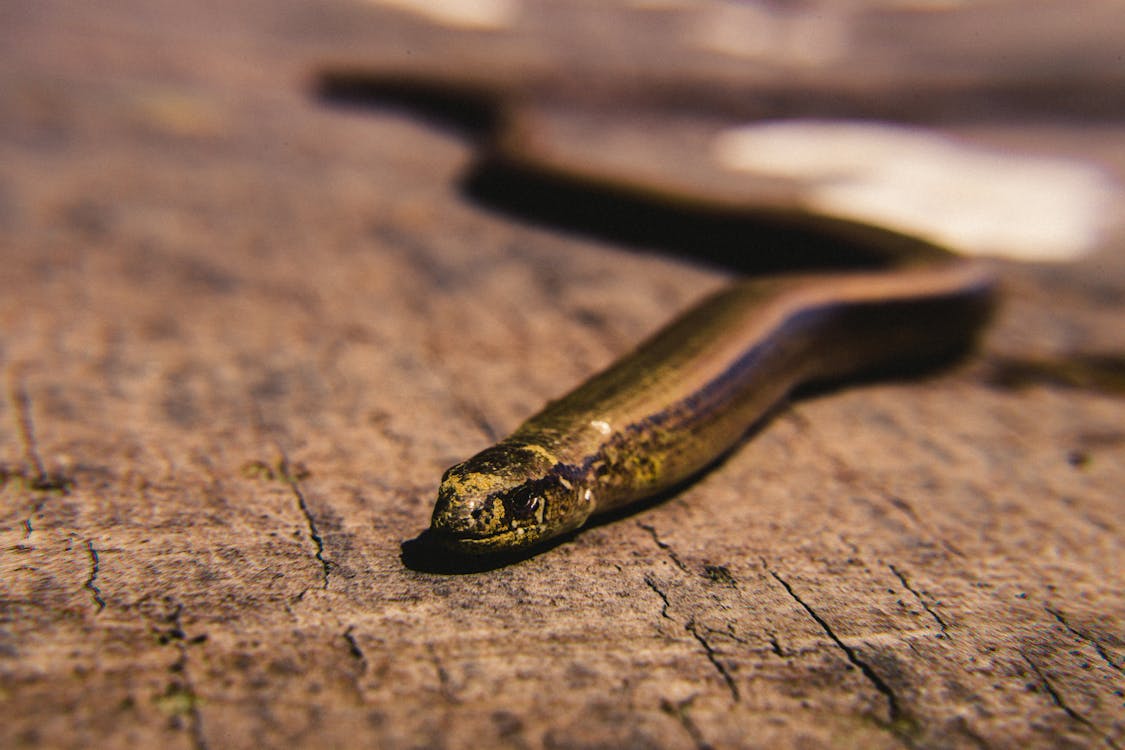
Our Venomous Snake Removal Protocol
When you call K9 H2O for a suspected venomous snake, we prioritize your call for same-day response. Our technician arrives with professional snake hooks, tongs, and secure transport containers designed specifically for venomous species. The snake is captured without harm, transported in a ventilated, escape-proof container, and released in approved relocation habitat at least five miles from residential areas.
After removal, we conduct a thorough property inspection to identify conditions that attracted the snake and recommend exclusion measures. For full-property protection, our snake-proofing and exclusion services create a barrier that keeps venomous species from returning.
What to Do If You Encounter a Venomous Snake
Back away slowly. Do not attempt to kill, trap, or handle the snake yourself — more than half of venomous snakebites occur when someone is trying to kill or handle the snake. Keep children and pets away from the area. If possible, keep visual contact from a safe distance (at least 10 feet) so you can direct the removal technician when they arrive. If you’re also concerned about snakes entering your attic or roofline areas, let us know during your call so we can inspect those spaces during the same visit.
Emergency Venomous Snake Removal
K9 H2O offers priority emergency response for confirmed or suspected venomous snake sightings. Don’t risk a bite — call our team and let trained professionals handle the situation safely and humanely.